Power electronics reference
Power conversion, explained for engineers
DC/DC converters, magnetics and power supplies: how they work, how to choose, and what to watch for on the board.
- Milliwatts to kilowattsconverter types
- Isolatedand non-isolated
- Magneticsfundamentals
Topics
- Read more
DC/DC converters
How they work, topologies and key design considerations.
- Read more
Magnetics
Inductors, transformers and design fundamentals.
- Read more
Power supplies
From AC to DC, architectures and important considerations.
- Read more
Safety approvals explained
What they mean in general terms and why they matter.
Converter power ranges
Typical groupings. Makers draw the band edges in different places.
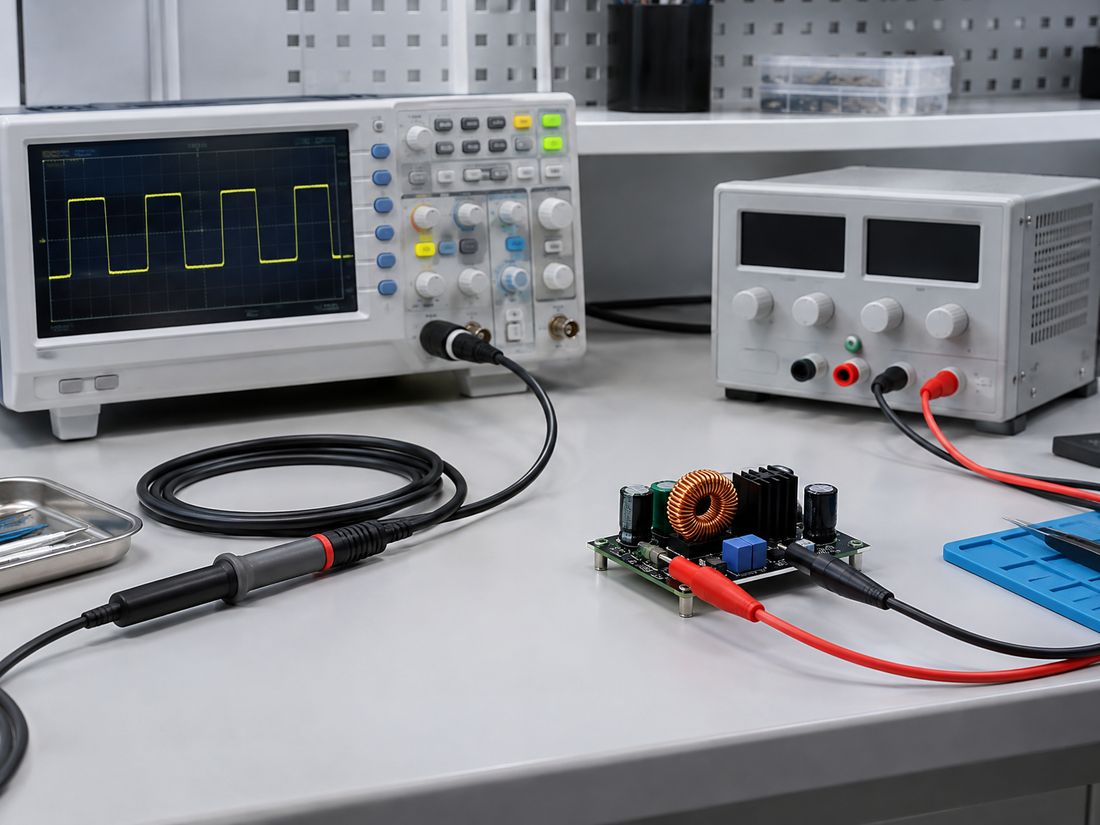
Isolated vs non-isolated
Isolated converters
- Provides galvanic isolation between input and output
- Used for safety, noise reduction and different voltage domains
- Common topologies include flyback, forward and push-pull
Non-isolated converters
- No galvanic isolation
- Often higher efficiency and lower cost
- Common topologies include buck, boost and buck-boost
Application notes
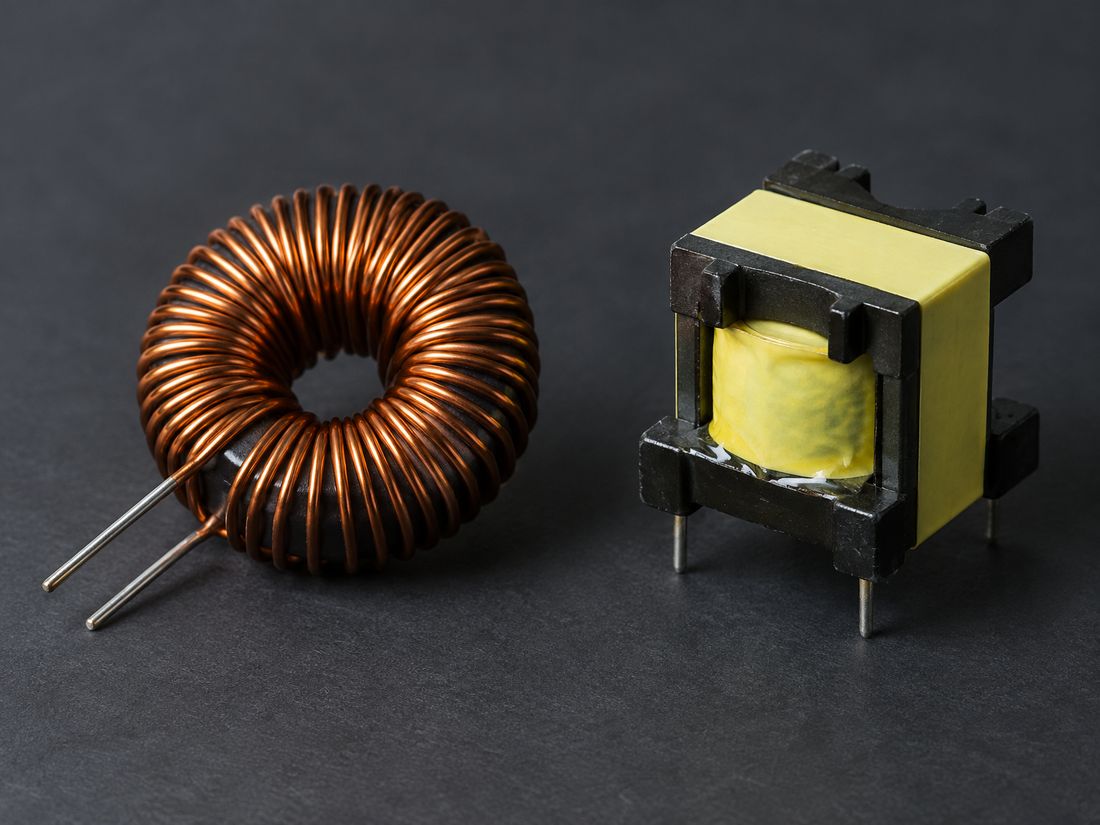
Magnetics
The building blocks of efficient power conversion
Inductors and transformers store and transfer energy, shape currents and enable isolation. Getting the magnetics right is key to performance, size and reliability.
From the news archive
- News archive | 2003 to 2005Power moves to the point of load
Why processors with falling voltages and rising currents pushed conversion close to the load.
Read - News archive | 2003 to 2005Smaller, denser and cooler
Smaller footprints, higher switching frequencies and what power density can and cannot tell you.
Read - News archive | 2003 to 2005The move to lead-free
What the lead-free transition changed for power modules, magnetics and soldering.
Read
How this reference is written
A reading reference for design engineers and students.
This site is not a manufacturer or seller. Always check every part against the maker’s current datasheet.